Analyzing the Energy Efficiency of LED Lighting
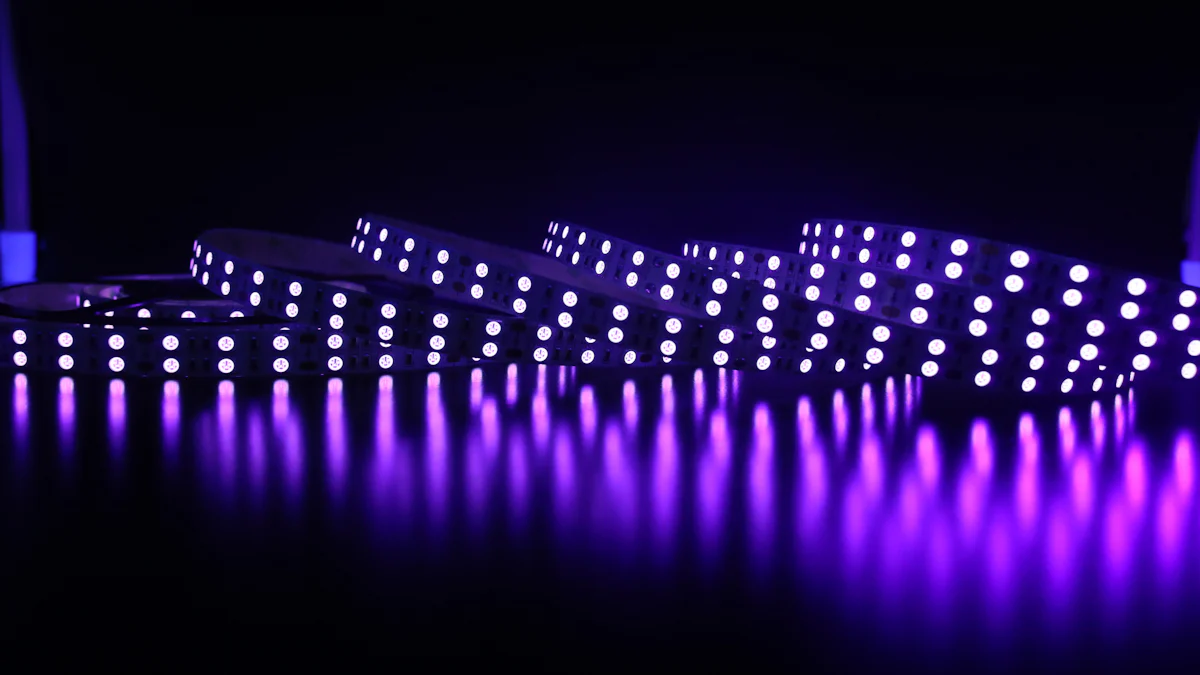
LED lighting has transformed the way people illuminate their spaces. It stands out for its remarkable energy efficiency, using up to 90% less energy than traditional incandescent bulbs. This efficiency not only reduces electricity bills but also contributes significantly to environmental conservation. The widespread adoption of LED technology could lead to a 30-40% reduction in global electricity demand for lighting by 2030. Such advancements highlight the importance of energy-efficient lighting solutions in achieving sustainability goals and reducing carbon emissions.
Understanding LED Lighting
What is LED Lighting?
Definition and basic principles
LED, or Light Emitting Diode, lighting represents a significant advancement in illumination technology. Unlike traditional bulbs that rely on filaments or gases, LEDs produce light through the movement of electrons in a semiconductor material. This process results in a highly efficient conversion of electricity into light, minimizing energy loss as heat. LEDs are known for their compact size, durability, and ability to emit light in a specific direction, reducing the need for reflectors and diffusers.
History and development of LED technology
The journey of LED technology began in the early 20th century. Scientists discovered the phenomenon of electroluminescence, which laid the groundwork for future developments. The first practical visible-spectrum LED emerged in the 1960s, emitting red light. Over the decades, advancements in materials and manufacturing techniques have expanded the color range and efficiency of LEDs. Today, they dominate the global lighting market due to their superior performance and affordability. Scientific Research Findings: Studies indicate that LEDs will continue to evolve, becoming even more efficient and versatile, playing a crucial role in sustainable energy practices.
How LED Lighting Works
Technical explanation of LED operation
LEDs operate by passing an electrical current through a semiconductor material. This process excites electrons, causing them to release energy in the form of photons, which we perceive as light. The color of the light depends on the materials used in the semiconductor. LEDs are highly efficient because they convert a large portion of electrical energy directly into light, with minimal heat production. This efficiency makes them ideal for various applications, from residential to industrial settings.
Components of LED lighting systems
An LED lighting system comprises several key components:
- LED Chip: The core element that emits light.
- Driver: Regulates the power supply to the LED, ensuring consistent performance.
- Heat Sink: Dissipates heat generated during operation, prolonging the lifespan of the LED.
- Optics: Directs and shapes the light output for specific applications.
These components work together to deliver reliable and efficient lighting solutions. As manufacturers focus on enhancing luminous efficacy and brightness, LED systems continue to improve in performance while consuming less energy. This progress aligns with the ongoing trend of reducing environmental impact and electricity expenses, especially in industrial facilities.
Comparing LED Lighting with Traditional Lighting
Incandescent vs. LED
Energy consumption comparison
LED lighting significantly outperforms incandescent bulbs in terms of energy efficiency. Incandescent bulbs convert only about 10% of the energy they consume into light, with the remaining 90% lost as heat. In contrast, LEDs convert approximately 95% of their energy into light, wasting a mere 5% as heat. This efficiency translates into substantial energy savings. For example, a 10-watt LED bulb can produce the same amount of light as a 60-watt incandescent bulb, using up to 80% less energy. This reduction in energy consumption not only lowers electricity bills but also decreases the demand on power plants, contributing to a more sustainable energy future.
Lifespan and durability
The lifespan of LED lights far exceeds that of incandescent bulbs. While incandescent bulbs typically last around 1,000 to 2,000 hours, LEDs can shine brightly for 25,000 to 50,000 hours. This longevity means fewer replacements, reducing waste and maintenance costs. Additionally, LEDs are more durable due to their solid-state construction, which makes them resistant to shocks and vibrations. This durability ensures that LEDs remain functional in various environments, from homes to industrial settings, providing reliable lighting solutions over extended periods.
Fluorescent vs. LED
Efficiency and cost analysis
When comparing LEDs to fluorescent lighting, LEDs again demonstrate superior efficiency. Fluorescent lights, while more efficient than incandescent bulbs, still fall short of LED performance. LEDs use 25% to 80% less direct power than fluorescent lights, making them a more cost-effective choice in the long run. Although the initial investment in LED lighting may be higher, the reduced energy consumption and longer lifespan result in significant savings over time. The cost-effectiveness of LEDs becomes evident when considering the total cost of ownership, including energy bills and replacement expenses.
Environmental impact
LED lighting also offers environmental benefits over fluorescent options. Fluorescent bulbs contain small amounts of mercury, posing disposal challenges and potential environmental hazards. In contrast, LEDs are free from toxic elements, making them safer for the environment. Furthermore, the reduced energy consumption of LEDs leads to lower carbon emissions, aligning with global efforts to combat climate change. By choosing LEDs, individuals and businesses can contribute to a cleaner, more sustainable planet.
Analyzing the Energy Efficiency of LED Lighting
Energy Savings
Case studies and real-world examples
LED lighting has proven its energy-saving capabilities through numerous case studies and real-world applications. For instance, a major retail chain replaced its traditional lighting with LEDs across all its stores. This transition resulted in a 30% reduction in energy consumption. The company reported significant savings on electricity bills, which allowed them to reinvest in other sustainable initiatives.
Another example involves a city that upgraded its streetlights to LED technology. The project led to a 50% decrease in energy usage, enhancing public safety with brighter and more reliable lighting. These examples highlight how LEDs can transform energy consumption patterns in both commercial and public sectors.
Calculating energy savings
Calculating energy savings with LED lighting involves comparing the wattage and lifespan of LEDs to traditional bulbs. For example, replacing a 60-watt incandescent bulb with a 10-watt LED can save approximately 50 watts per hour. Over a year, this translates to substantial energy savings, especially in large-scale applications.
To calculate potential savings, consider the number of bulbs replaced, their operating hours, and local electricity rates. This approach provides a clear picture of the financial benefits of switching to LED lighting. By understanding these calculations, individuals and businesses can make informed decisions about adopting energy-efficient solutions.
Cost-Effectiveness
Initial investment vs. long-term savings
The initial investment in LED lighting may appear higher than traditional options. However, the long-term savings often outweigh the upfront costs. LEDs last significantly longer, reducing the need for frequent replacements. This longevity cuts down on maintenance expenses and minimizes waste.
For example, while an LED bulb might cost more initially, its lifespan can extend up to 25 times longer than an incandescent bulb. This durability results in fewer purchases over time, leading to overall cost savings. Businesses and homeowners alike benefit from reduced operational costs, making LEDs a financially sound choice.
Return on investment analysis
Analyzing the return on investment (ROI) for LED lighting involves assessing the balance between initial costs and ongoing savings. A typical ROI analysis considers factors such as energy savings, reduced maintenance, and extended lifespan.
For instance, a facility that invests in LED lighting might see a full return on investment within two to three years. The savings on energy bills and maintenance costs contribute to this rapid payback period. Over time, the financial benefits continue to accumulate, reinforcing the value of LEDs as a sustainable and economical lighting solution.
Implications of LED Lighting Adoption
Environmental Benefits
Reduction in carbon footprint
LED lighting plays a crucial role in reducing the carbon footprint. Traditional lighting sources, such as incandescent and fluorescent bulbs, consume more energy and contribute significantly to carbon emissions. In contrast, LEDs use up to 90% less energy, which directly translates to lower carbon emissions. According to the U.S. Department of Energy, widespread adoption of LED technology could lead to substantial energy savings and a significant reduction in carbon emissions. This shift not only benefits the environment but also aligns with global efforts to combat climate change.
Contribution to sustainability goals
The transition to LED lighting supports sustainability goals by promoting energy efficiency and reducing environmental impact. As noted in various studies, LEDs contribute to achieving net-zero emissions by 2050. Their long lifespan and low energy consumption make them an ideal choice for sustainable practices. By replacing traditional lighting with LEDs, individuals and businesses can actively participate in sustainability initiatives. This change helps conserve resources and ensures a cleaner, greener future for generations to come.
Economic Impact
Influence on energy markets
The adoption of LED lighting significantly influences energy markets. As LEDs require less electricity, they reduce the overall demand for energy. This decrease in demand can lead to lower energy prices and a more stable energy market. The University of Michigan highlights that switching to LEDs not only saves money but also reshapes the energy landscape. By reducing reliance on fossil fuels, LEDs contribute to a more sustainable and resilient energy system.
Job creation in the LED industry
The growing demand for LED lighting has spurred job creation within the industry. As more individuals and businesses transition to LEDs, the need for manufacturing, installation, and maintenance services increases. This demand creates opportunities for skilled workers and stimulates economic growth. The Global LED Lighting Industry Trends report indicates that the LED sector continues to expand, offering numerous employment opportunities. By investing in LED technology, communities can benefit from job creation and economic development.
LED lighting emerges as the most efficient and sustainable choice for illumination. It offers significant energy savings, cost-effectiveness, and environmental benefits. LEDs consume at least 75% less energy than incandescent lamps, providing a clear advantage in reducing electricity expenses. As technology advances, LEDs will become even more efficient and versatile, playing a crucial role in sustainable energy practices. The future of LED lighting looks promising, with innovations in design and compliance with new regulations. Adopting LED lighting solutions not only supports environmental goals but also ensures a brighter and more cost-effective future.
